Blog · reader questions · telematics
Reader Question: I Work Nights. Will Telematics Punish Me?
A night-shift nurse asks whether behaviour-based telematics will rate her unfairly for driving at 11pm and 7am.

By Jordan Ellis · Editor
Published
Answer in brief
Probably, yes—most behaviour programmes treat late-night driving as a risk factor regardless of why. Pay-per-mile with a mileage-only device, or a conventional policy, is the better fit for night workers.
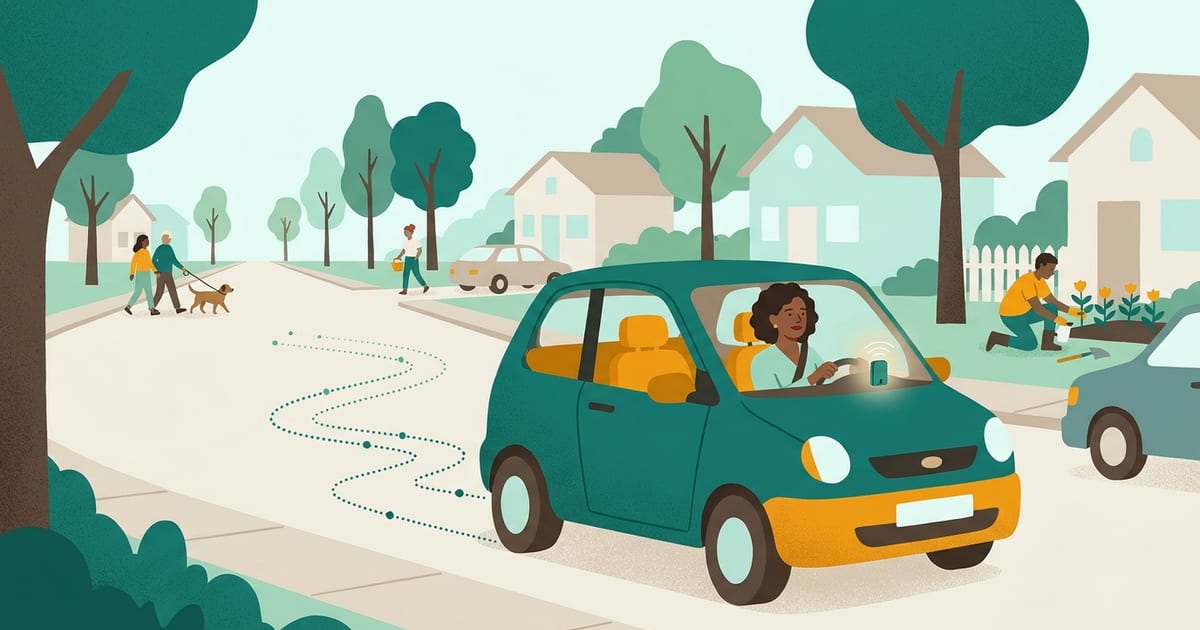
"I'm a nurse on nights. My commute is 11pm out and 7:30am back. My insurer offered a telematics discount. Will the night driving hurt me?" — reader in Washington
Most behaviour-based programmes score late-night driving (often midnight to 4am, sometimes 10pm to 5am) as higher risk because crash data for those hours is worse on average. The algorithm does not know you are sober, rested and driving an empty road. Your outbound trip may fall in the penalty window.
Better options
If your mileage is low, a pay-per-mile policy with a mileage-only device prices your actual exposure without judging the hour. If mileage is average, a conventional policy compared across several insurers is likely better than a telematics programme that penalises your schedule. Ask any telematics provider exactly which hours are penalised before enrolling—see per-mile vs telematics.
Guides referenced in this post
Guide
Pay-Per-Mile vs Telematics: Which Saves More?
A direct comparison of pay-per-mile and behaviour-based telematics—who each suits, how savings differ, and whether you can combine them.
Guide
Privacy and Data in Pay-As-You-Go Insurance
What telematics devices and apps actually collect, how insurers use and share it, how long it is kept, and how to limit what you give up.